March 31, 2026
B.Tech in Printing Engineering
B.Tech in Printing Engineering is an undergraduate program that blends engineering concepts with printing technologies used in publishing, packaging, and media production. It focuses on how text and images are reproduced efficiently using modern machines, digital systems, and advanced materials.
This field is no longer limited to traditional printing presses. It now extends into areas such as digital printing, packaging innovation, and multimedia production. As industries increasingly rely on visual communication, professionals trained in this domain are becoming more relevant than ever.
What is Printing Engineering?
Printing Engineering is a specialized area that focuses on the processes, tools, and systems used to produce printed materials. It involves converting digital or physical designs into printed outputs on surfaces like paper, plastic, or fabric.
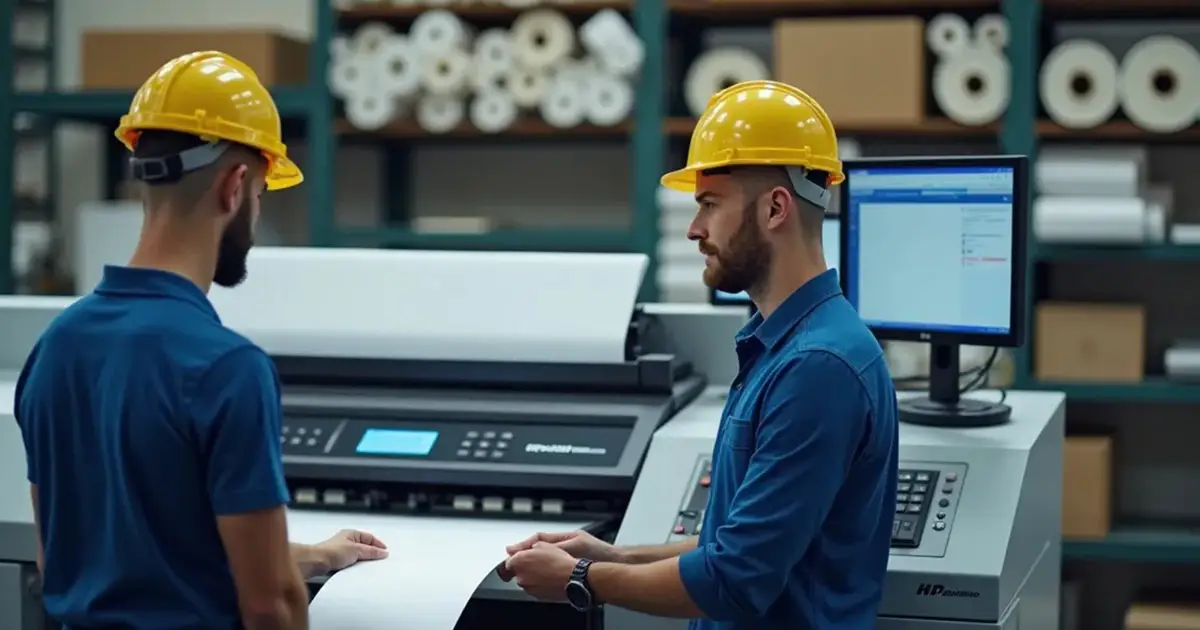
The discipline combines mechanical systems, computer applications, and design principles. Students are trained to operate machinery, manage production workflows, and ensure consistent print quality.
Course Duration and Structure
The B.Tech in Printing Engineering program typically spans four years and is divided into eight semesters. The course gradually moves from foundational engineering subjects to specialized printing technologies.
It includes classroom lectures, lab work, industrial exposure, and a final-year project that allows students to apply their learning in real-world settings.
Eligibility Criteria for B.Tech in Printing Engineering
| Criteria | Requirement |
|---|---|
| Qualification | Completion of 10+2 or equivalent |
| Core Subjects | Physics, Chemistry, Mathematics |
| Minimum Score | Around 50% aggregate |
| Admission Type | Entrance exam or merit-based |
Students with a science background, particularly those comfortable with mathematics and physics, are well-suited for this program.
Admission Process
Admission to this course is generally offered through entrance examinations conducted at national or state levels. Some institutions also provide admission based on academic performance in higher secondary education.
In certain cases, counseling sessions are conducted to help students select the appropriate course and institution.
B.Tech in Printing Engineering Syllabus
The curriculum is designed to provide both technical understanding and practical exposure to printing technologies.
Semester-wise Overview
| Semester | Focus Areas |
|---|---|
| Semester 1 | Mathematics, Physics, Basic Engineering |
| Semester 2 | Programming, Manufacturing Techniques |
| Semester 3 | Printing Fundamentals, Typography |
| Semester 4 | Graphic Design, Printing Materials |
| Semester 5 | Offset and Gravure Technologies |
| Semester 6 | Ink Technology, Print Management |
| Semester 7 | Quality Control, Publishing Systems |
| Semester 8 | Digital Printing, Packaging, Project Work |
Students are also required to undergo industrial training to gain hands-on experience in printing operations.
Top Colleges for B.Tech in Printing Engineering
| Institute | Approximate Fees |
|---|---|
| Anna University, Chennai | ₹55,000 per year |
| Jadavpur University, Kolkata | ₹10,000 per year |
| Manipal Institute of Technology | ₹3.35 lakh per year |
| Jain University, Bangalore | ₹2.10 lakh per year |
| Calicut University | ₹35,000 per year |
| PVG College, Pune | ₹1.15 lakh per year |
| Chandigarh University | ₹1.60 lakh per year |
| Lovely Professional University | ₹1.37 lakh per year |
These institutions are known for their strong academic environment and industry exposure.
Skills Required for Printing Engineering
Students pursuing this field should develop a combination of technical and creative abilities.
- Analytical thinking
- Understanding of design and color
- Technical knowledge of equipment
- Problem-solving skills
- Attention to detail
Career Opportunities After B.Tech in Printing Engineering
Graduates can explore multiple career options due to the wide application of printing technologies.
Job Roles
- Printing Engineer
- Production Manager
- Graphic Designer
- Packaging Specialist
- Quality Analyst
- Publishing Executive
Entry-level roles may also include positions in editorial and production departments.
Industries
- Media and publishing
- Advertising agencies
- Packaging companies
- Textile and manufacturing sectors
- Government printing units
Scope of B.Tech in Printing Engineering
The scope of printing engineering continues to grow with advancements in digital technology and packaging solutions.
Graduates can build careers in areas such as digital media, security printing, branding, and industrial printing systems. With innovation and sustainability becoming key focus areas, the industry is evolving rapidly.
Salary After B.Tech in Printing Engineering
| Experience Level | Experience | Average Salary |
|---|---|---|
| Entry Level | 3–5 years | ₹8 LPA |
| Mid-Level | 10–15 years | ₹15 LPA |
| Senior Level | 15+ years | ₹25 LPA |
Earnings increase with experience, expertise, and role responsibilities.
Advantages of Studying Printing Engineering
- Expanding industry demand
- Diverse career opportunities
- Blend of technical and creative work
- Exposure to modern technologies
- Entrepreneurial possibilities
Challenges in Printing Engineering
The field requires continuous learning due to evolving technologies. Professionals must stay updated with industry trends and tools to remain competitive.
- Constant need to learn new technologies, tools, and printing techniques
- Rapid shift from traditional methods to digital and automated printing systems
- Maintaining high-quality standards, such as color accuracy and print consistency
- Managing production costs while ensuring efficiency and minimal wastage
- Adapting to strict deadlines and large-scale production demands
- Increasing focus on eco-friendly and sustainable printing practices
- Keeping up with industry trends and evolving market requirements
- Growing competition requires both technical expertise and creative skills
Future Trends in Printing Engineering
The future of this field is shaped by innovation and sustainability.
- Digital and on-demand printing
- Eco-friendly processes
- Smart packaging solutions
- Automation in production
- Integration with advanced design tools
Conclusion
B.Tech in Printing Engineering is a specialized program that combines engineering knowledge with creative applications. As industries increasingly depend on visual communication and innovative packaging, the demand for skilled professionals in this field is rising. Students who are interested in both technology and design will find this course engaging and rewarding. With the right skills and exposure, it can lead to a stable and fulfilling career in a rapidly evolving industry.